HSA/FSA eligible

Finally, a way back to the real you. For 70% less than clinics.

Mindbloom is a complete ketamine therapy program: Clinician-led, fully-supported, and delivered in the comfort of your home.


Safety information
Important Safety Information

Mindbloom pairs individuals with licensed clinicians who are trained to diagnose and treat anxiety, depression, and other mental health conditions.  If one of the licensed clinicians, in their medical judgment, decides that ketamine is an appropriate treatment for an individual based on a clinical assessment, then the clinician may prescribe ketamine tablets that are compounded by pharmacies under Section 503A of the federal Food, Drug, and Cosmetic Act (FDCA).  Drugs compounded under Section 503A do not require FDA approval, and as such the FDA has not determined that the compounded ketamine prescribed is safe and effective for anxiety, depression, or other mental health conditions.  The use of ketamine for anxiety, depression, and many other mental health conditions, however, is supported by a body of scientific literature.  (Data on file).

Ketamine is a Schedule III controlled substance. Other drugs containing ketamine, which (unlike compounded drugs) are subject to FDA’s approval requirements, have been FDA-approved as an intravenous or intramuscular injection solution for induction and maintenance of general anesthesia. However, those drugs have not been FDA-approved for anxiety, depression, or other mental health conditions, and they have not been FDA-approved in tablet form. The approved label is available here.

Ketamine may cause serious side effects, including but not limited to risks of: sedation; dissociation; psychiatric events or worsening of psychiatric disorders, including problems in people with schizophrenia, severe personality disorders, or other serious mental disorders; dependence, abuse and misuse; anxiety; increases in blood pressure or heart rate; respiratory depression (breathing becomes slower and shallower and the lungs fail to exchange carbon dioxide and oxygen efficiently); lower urinary tract and bladder symptoms, including frequency of urination, urinary incontinence, pain urinating, passing blood in the urine, or reduced bladder size; altered sense of time; dry mouth; elevated intraocular or intracranial pressure; loss of appetite; confusion; nausea/vomiting; blurred vision; and slurred speech.

The FDA has advised that at-home administration of compounded ketamine may present additional risks because a health care provider is not available onsite to monitor for adverse outcomes resulting from sedation and dissociation.

Mindbloom’s protocols and guidance have been designed to minimize the likelihood of experiencing these side effects or other adverse effects, and should be followed carefully. Ketamine should only be taken as directed by the treating clinician.

Do not proceed with ketamine treatment if any of the following apply to you:

  • Allergic to ketamine
  • Symptoms of psychosis or mania
  • Uncontrolled high blood pressure
  • CHF or other serious heart problem
  • Severe breathing problem
  • History of elevated intraocular or intracranial pressure
  • History of hyperthyroidism
  • Other serious medical illness
  • Pregnant, nursing, or trying to become pregnant

Ketamine has been found to cause moderate psychological dependency in some users.

  • In rare cases, frequent, heavy users have reported increased frequency of urination, urinary incontinence, pain urinating, passing blood in the urine, or reduced bladder size
  • Ketamine may worsen problems in people with schizophrenia, severe personality disorders, or other serious mental disorders
  • Users with a personal or family history of psychosis should be cautious using any psychoactive substance, including ketamine, and discuss potential risks with your clinician before proceeding with treatment
  • The dissociative effects of ketamine may increase patient vulnerability and the risk of accidents

To promote positive outcomes and ensure safety, follow these ketamine treatment guidelines:

  • Do not operate a vehicle (e.g., car, motorcycle, bicycle) or heavy machinery following treatment until you’ve had a full night of sleep
  • Refrain from taking benzodiazepines or stimulants for 24 hours prior to treatment
  • Continue to take antihypertensive medication as prescribed
  • Do not take ketamine while hungover or with alcoholic beverages
  • Refrain from consuming solid foods within 3 hours prior to treatment and liquids within 1 hour prior to treatment
  • Ketamine treatment should never be conducted without a peer treatment monitor physically present

A peer-reviewed study of Mindbloom’s client treatment outcomes was published in the Journal of Affective Disorders in 2022, titled At-home, sublingual ketamine telehealth is a safe and effective treatment for moderate to severe anxiety and depression: Findings from a large, prospective, open-label effectiveness trial. The FDA has not evaluated head-to-head trials comparing the safety of ketamine to other medications that are FDA-approved for the treatment of depression, anxiety, or other psychiatric disorders. Although some clients report that they had more success with ketamine than with FDA-approved therapies, these outcomes may not be typical.

For more information about the informed consent that clients review and sign prior to treatment, please visit mindbloom.com/informed-consent.

America’s #1 provider
900,000+ sessions
Proven outcomes
89–92% report improvement across depression, anxiety, and PTSD.1,2,3
Affordable
70% less than clinics
America’s #1 provider
900,000+ sessions
Proven outcomes
89–92% report improvement across depression, anxiety, and PTSD.1,2,3
Affordable
70% less than clinics

Most clients see results in just 4 sessions.

The two largest-ever peer-reviewed clinical studies on psychedelic therapy followed Mindbloom clients. The results were staggering.

89%
reported improvement in their anxiety and depression symptoms1,2
17%
greater symptom improvement demonstrated compared to studies of IV ketamine1,4
62%
who reported suicidal ideationno longer reported any suicidal ideationafter 4 sessions1
95%
reported no side effects from their ketamine treatment with Mindbloom1,2
Study co-authors from:

Ketamine therapy the way it was always meant to be done.

Other treatments act as a bandaid. Mindbloom works differently by healing the root cause of symptoms.

Continuous clinician oversight

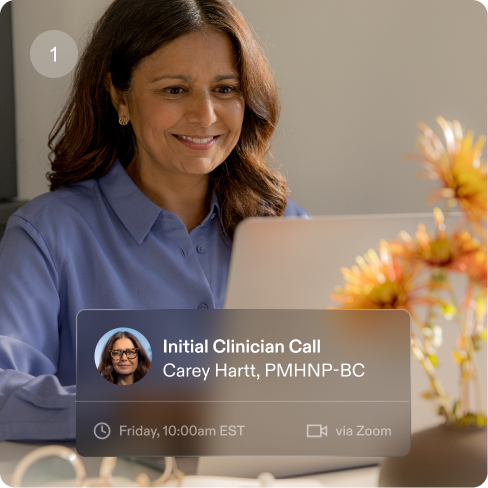
Meet with a licensed clinician to discuss your health history, goals, and dosage. They’re with you from start to finish, and available for check-ins.
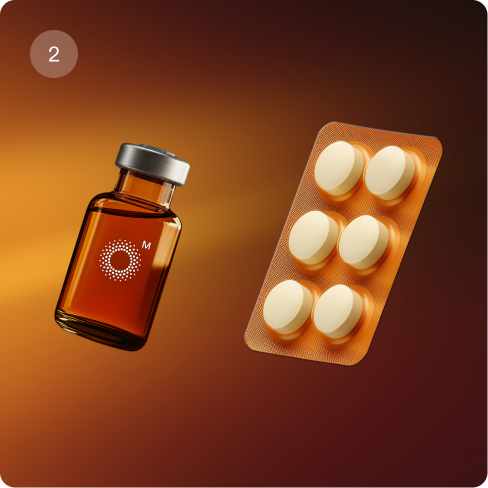
Injectables & Tablet options

Experience deep, therapeutic sessions. Mindbloom’s mental health outcomes exceed those in studies of IV ketamine clinics4 , talk therapy5 , and SSRIs6 .
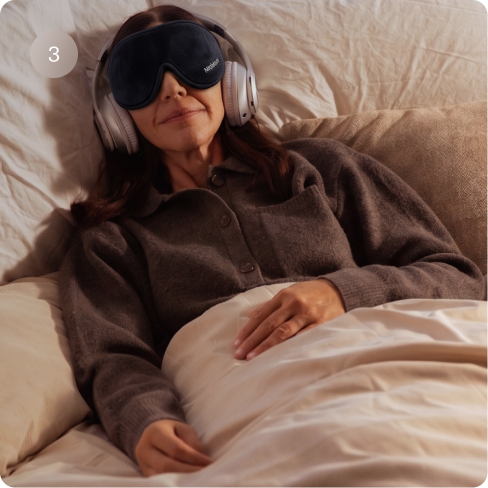
Healing right at home

Sessions happen in the comfort of your own space, on your own schedule. No waiting rooms. No travel. No taking whole days off.

Shifts as early as Session 1

Most clients see major symptom relief by their fourth session, with some noticing changes in mood, habits, and clarity as soon as their first.

The clinic model was built around the medicine. Not around you.

Sessions should take place on your schedule, at your pace. Because when you’re comfortable, unhurried, and in a familiar setting, you can process more deeply.

The only at-home provider to offer Injectables

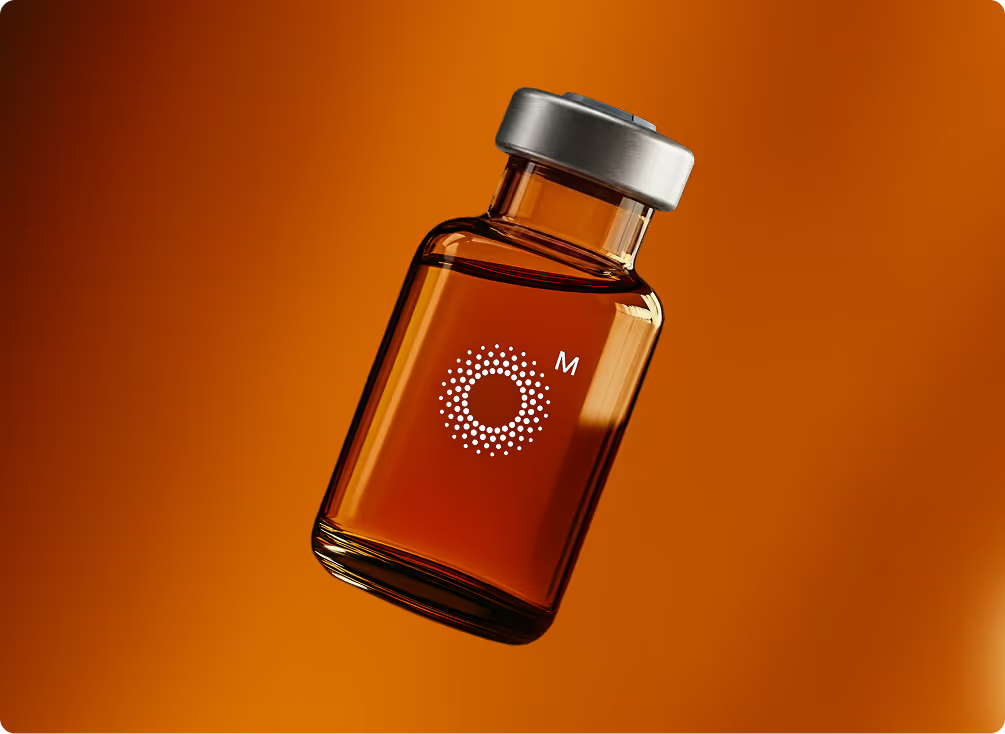
Subcutaneous ketamine delivers consistent, deep experiences and comparable bioavailability to that of IV/IM. Our single injection needle is also 10x smaller than what you’d see in a clinic setting.

At-home doesn’t mean all on your own

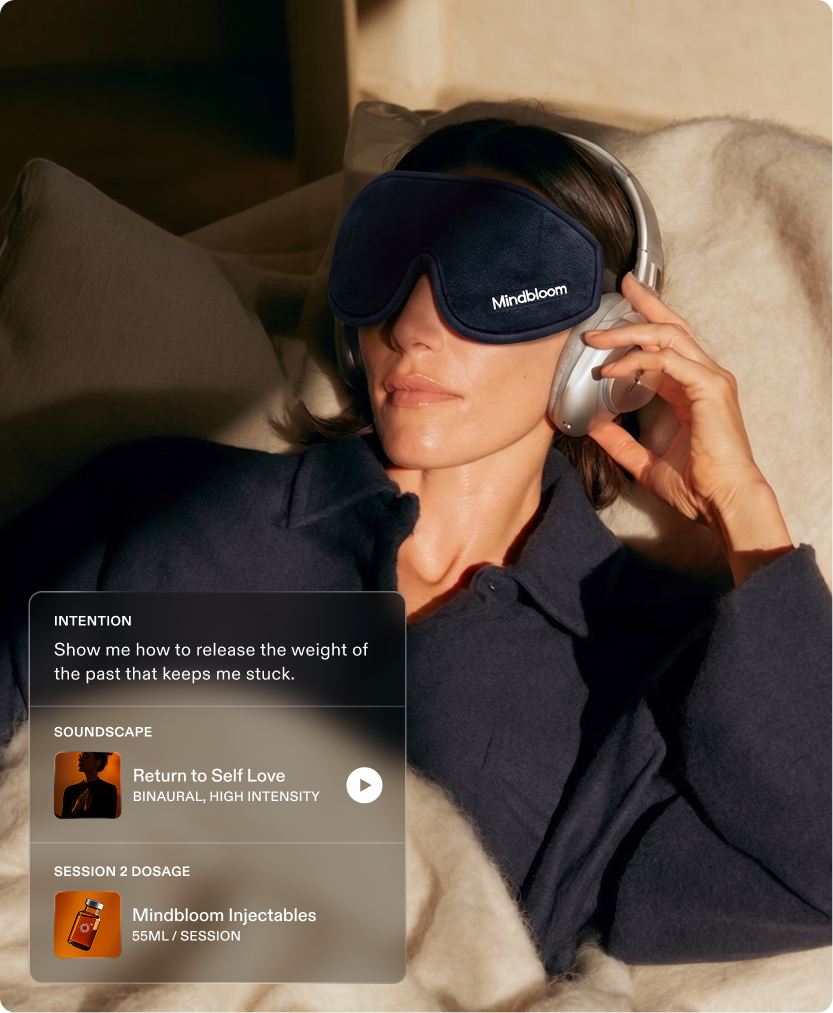
A clinician leads your entire program with your safety top of mind, a peer monitor is present for sessions, and your Care Team is available throughout. Clients tell us all the time: they felt genuinely known and supported.

The medicine is only part of the treatment

Ketamine opens a neuroplastic window in the brain. Mindbloom's programs are built around it: the structure, the integration tools, the support between sessions. That's the difference between temporary relief and lasting change.

What could cost $800/session is now $165/session.

HSA/FSA eligible + insurance reimbursements up to $1,150.
You’re getting a lot more for 70% less.
Standard ketamine clinic

Mindbloom programs

Clinical setting

Waiting rooms, sterile atmosphere

Comfort of at-home

Your space, your bed, your privacy

$500-$800/session

Pricing and insurance benefits vary

Starts at $165/session

Payment plans, HSA/FSA, + insurance reimbursement*

3-6+ hr per session

Recovery, travel, taking off of work

45-90 min per session

No rushing. No complex logistics.

Appointment-based

Subject to clinic availability

On your schedule

Sessions that fit your life

Just the medicine

Ketamine administration

Designed for long-term change

Helps you rewire for sustained relief

Lack of between-session support

Limited or none

Whole Care Team

Clinicians, guides, Care Advocates, & live chat support

Comfort and care, without compromise.

Mindbloom is the only at-home provider that offers Injectables and Tablets.

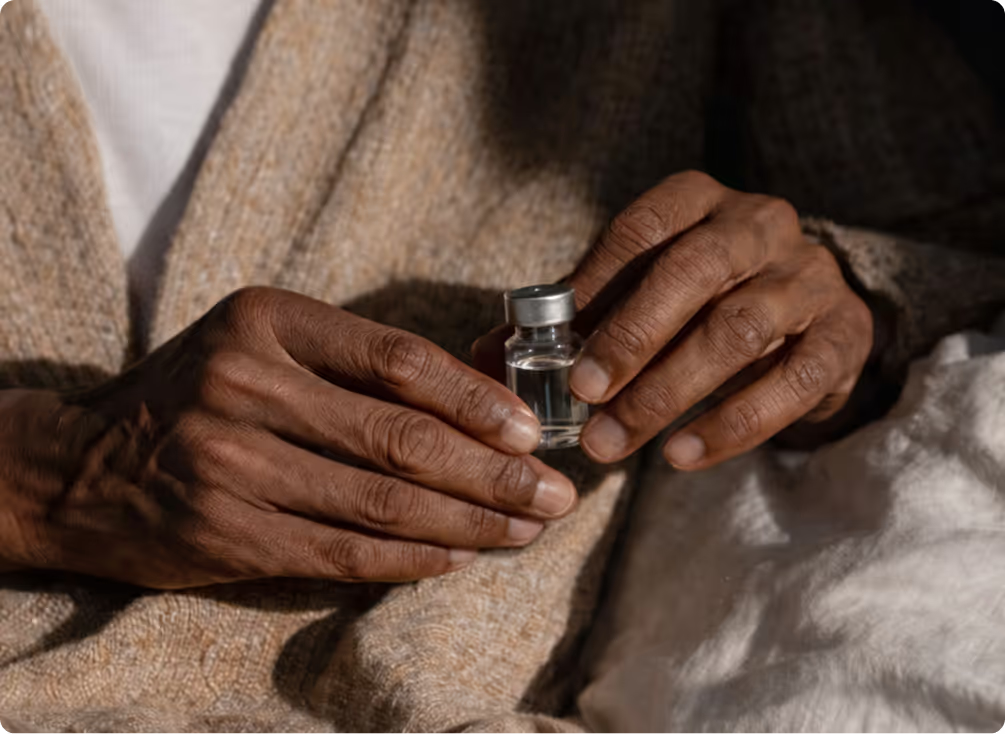
About Mindbloom Injectables

Bioavailability

64%-93%, comparable to clinic treatments

Administration route

Subcutaneous (just below the skin) injection with a tiny needle

Ideal for

Those wanting a comparable experience to IV treatments

Onset

Quick, usually within 5 min
About Mindbloom Tablets

Bioavailability

25%-35%

Administration route

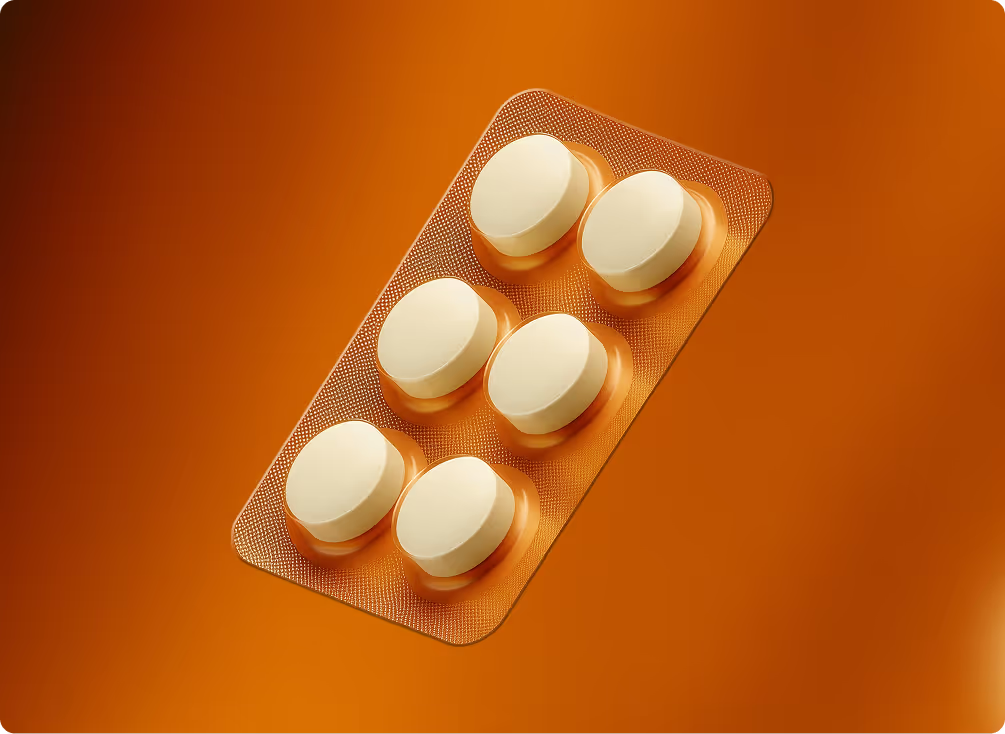
Sublingual, rapidly dissolving oral tablets, spit out after 7 minutes

Ideal for

Those wanting a more gradual onset, or don’t like needles

Onset

Gradual, usually within 10-12 min
Hear from real clients who feel like themselves again.

For many, ketamine therapy with Mindbloom wasn’t just life-changing, but life-saving.

5/5

"Mindbloom was the complete package, it was perfect. I spoke about it with my therapist, who was only familiar with IV, where people only go and have wild experiences and then jump back in their car. Where is the support, or the processing? When I learned about Mindbloom, I felt like I would be taken care of on this rather sensitive journey.”

Steve M.
5/5 on

"At-home ketamine therapy is so much more convenient and effective than clinical therapy because you are in the comfort of your own home. No need to get to a clinic, wait to begin your therapy, deal with random interruptions, and then return home."

Aaron N.
Shannon
Mindbloom Client
Paid Partner
5/5 on

“Mindbloom honestly saved my life. I’m grateful for the ability to do this therapy in my safe space at home. As of today, I’m free from anxiety and depression.”

Stephen R.
5/5 on

"After some research I found Mindbloom. I was skeptical of a home treatment. To my surprise, the team is very professional, the results are the same as the clinic, and the fact that I can do a treatment in the comfort of my home is so much more convenient and economical."

Sharon B.
5/5

"I did ketamine therapy at a psychiatrist's office. It didn't work as well as Mindbloom, and I had paid 6 times more. I'm not lost in a fog or dark cloud anymore."

Carey S.
Peter
Mindbloom Client
5/5 on

"I've done the IV clinics, and I just felt like the second piece of the puzzle was missing—integration—and Mindbloom has it. What is most impressive is that I can do it on MY time, and it is very cost effective."

Kollan K.
5/5 on

“I chose Mindbloom because I felt more comfortable doing the ketamine sessions at home. My ketamine sessions and integration work have truly transformed my life. I am happier, healthier, and more at peace than I thought was possible.”

Jess H.
5/5 on

"I haven’t done IV ketamine treatment at a clinic so I can’t compare that to Mindbloom but I personally love the convenience and privacy of the Mindbloom at-home ketamine program. It allows for so much flexibility but they also provide individual and group processing opportunities. Each session has given me significant relief from anxiety/depression symptoms and also unexpectedly seems to help with my migraines."

Siobhan M.
Katie
Mindbloom Client
5/5

"I gave up on ketamine clinics because the doctors were indifferent. With Mindbloom at home, I can relax in my own bed with my own music—and I've had much more success."

Jeff Z.
5/5 on

"I felt truly supported at Mindbloom. The experiences were assisted beautifully by my own choice of intention-setting and guided music—much better than the intensity of an in-office IV session with no guidance, setup, or follow-up."

Lucretia
5/5 on

"I'd tried IV ketamine in the past, and while effective, there was no space for integration, insight or expansion. I feel that the Mindbloom experience encompasses all of this."

Kelly M.
5/5 on

"Ketamine treatment was a game changer for me. I started with in-clinic treatment, then switched to Mindbloom for my maintenance sessions due to the cost difference."

Greg S.

We don’t just deliver medicine, we deliver a comprehensive program.

Your Mindbloom program includes:

  • Clinician oversight and personalized dosing
  • Ketamine doses (no additional charge)
  • Option of Injectables or Tablets
  • 1:1 guide coaching
  • 10+ programs to focus your healing
  • Live support via chat or phone call
  • Integration and reflection tools
  • Unlimited small group therapy and community spaces
$165
/session*
Am I a candidate?

HSA/FSA eligible

|

Insurance reimbursements

|

Payment plans

Finally, something that actually works.

Join the millions changing their minds with ketamine therapy.

Am I a candidate?

FAQ

I've experienced ketamine therapy in a clinic. What should I know about Mindbloom?

Prior experience with ketamine can be really helpful for new Mindbloom clients, though not necessary. A few things worth knowing:

The medicine: Mindbloom is the only at-home provider that offers both sublingual tablets and subcutaneous injectables. Our injectables offer bioavailability comparable to IV ketamine. Not only are you not trading down, but you’ll work with a licensed clinician to get to your ideal dose.

The outcomes: In a 2022 study, it was demonstrated that Mindbloom clients experienced 17% better outcomes than a leading study of IV ketamine clinics.

The session experience: Your sessions happen in your home, on your schedule, without travel, waiting rooms, or clinic overhead. A clinician leads your program, a guide helps you integrate, and the app offers exclusive features to amplify your progress.

The cost: Mindbloom programs cost approximately 70% less than a typical IV ketamine clinic. Sessions are $165 to $215 depending on session packages. IV clinics typically charge $400 to $800 or more per infusion. Mindbloom is HSA/FSA eligible, and superbills are available for partial insurance reimbursement.

If you've been to a clinic, you already know what ketamine can do. Mindbloom is built around making more of it.

Is at-home ketamine therapy with Mindbloom safe?

When administered under clinical supervision with proper screening, ketamine therapy has a well-established safety profile supported by decades of medical use. Mindbloom's program includes medical evaluation, dosage management, and ongoing clinical oversight. Our dedicated safety hub covers risks, safeguards, and what the research shows in detail.

Ketamine has been FDA-approved for medical use since 1970 and is legally prescribed off-label by licensed clinicians for mental health conditions including depression, anxiety, and PTSD. Off-label prescribing is a standard and legally recognized medical practice. Mindbloom's programs are prescribed and supervised by licensed clinicians who determine eligibility based on a clinical evaluation.

Does Mindbloom have proven outcomes on par with clinics?

Published research on sublingual ketamine shows meaningful clinical outcomes, and Mindbloom's own data demonstrates significant symptom improvement across depression, anxiety, and PTSD. In our 2022 and 2024 studies, it was demonstrated that our protocols outperformed a leading study of IV ketamine. The tradeoffs between at-home and in-clinic treatment involve convenience, cost, bioavailability, and clinical setting.

Who oversees my treatment?

Your licensed clinician is the medical lead. They assess your health history, prescribe your treatment, manage your dosing, and oversee your progress from your first session to your last. Alongside them, your guide supports the therapeutic work, helping you prepare for sessions, process what comes up, and make the most of the integration window after each one. Before you start, a Care Advocate is available for a free call to walk through any questions and make sure you feel ready. And throughout your program, our Support team is available via live chat or phone whenever you need something resolved quickly. Every layer of that team exists so you're never navigating this alone.

What does a session actually feel like?

Most people describe the experience as a pleasant, deep, dreamlike state that lasts roughly 45 to 60 minutes. Common sensations include a feeling of floating, shifts in how time is perceived, and a sense of emotional distance from habitual thought patterns. The experience varies from session to session and person to person. Mindbloom sessions are self-administered at home with a prescribed sublingual tablet while a required peer treatment monitor is present.

Does Mindbloom accept insurance and HSA/FSA?

Mindbloom is a cash-pay program and doesn't bill insurance directly, but there are real ways to reduce what you pay out of pocket.

HSA/FSA: If you have an HSA or FSA, you can use those funds directly at checkout. You can also submit a superbill for reimbursement after your visit.

Insurance: Out-of-network reimbursement is possible through a superbill. Download yours from the Mindbloom app under Profile > Settings > Superbill and submit it to your insurer. Initial consultations are eligible for up to $400 back, and medication management visits for up to $250, meaning clients on a 6-session program can receive up to $650 in reimbursement depending on their plan. Higher amounts apply for 12 and 18-session programs. We recommend checking ahead of time with your plan administrator by calling the number on the back of your card.

How do I know if I'm eligible for Mindbloom?

Start with our free candidate survey. It takes just a few minutes and lets you know if you are eligible.

Injectable ketamine may be considered if you're experiencing depression, anxiety, or PTSD. It is prescribed off-label by licensed clinicians. Good candidates are generally healthy adults without contraindications such as uncontrolled hypertension, psychotic disorders, or active substance use issues. Your Mindbloom clinician will evaluate your complete medical history to determine if injectable ketamine is right for you. If you’re not a medical fit for treatment, you’ll receive a full refund.

Your dosage is carefully personalized to ensure safety and effectiveness. The process begins with your initial consult, where a licensed clinician reviews your health history, current medications, and specific treatment goals. Using this information, they help you choose the route of administration (Mindbloom Tablets or Mindbloom Injectables) and prescribe a starting dose tailored to you.

What am I actually paying for at a clinic?

Clinic sessions run $500 to $800 each on average. A full six-session round can total $3,000 to $6,400, or more. Most of that goes to overhead, not to your treatment.

The medicine itself costs a fraction of what clinics charge. What you're paying for is everything around it: the building, the infusion suite, the staff to monitor an IV drip, the chair you sit in for two hours. The infrastructure is what’s expensive.

Mindbloom removed the overhead and kept what matters. Programs start at $165 per session, with 6, 12, and 18-session package options. The savings are real, and so are the transformational outcomes.

Does Mindbloom offer similar outcomes as clinics?

Better, actually.

In a 2022 study, Mindbloom clients experienced outcomes 17% better than those treated at IV ketamine clinics. Across our client base, 89–92% report symptom improvement after four sessions for depression, anxiety, and PTSD.¹²

That's not despite being at home. It's because of how the program is designed. Ketamine opens a window of neuroplasticity. What happens during that window, and the structure around it, is what determines whether change lasts.

Part of that structure is the setting itself. When you're at home, you're relaxed and unhurried. Your nervous system isn't braced against a clinical environment. You're in a better state to receive the medicine, and a better state to do something with it after.

CITATIONS

  1. Hull et al., Journal of Affective Disorders (2022) https://doi.org/10.1016/j.jad.2022.07.004.
  2. Cuijpers et al., Acta Psychiatrica Scandinavica (2021) https://doi.org/10.1111/acps.13335.
  3. Trivedi et al., American Journal of Psychiatry (2006) **https://doi.org/10.1176/appi.ajp.163.1.28
  4. McInnes et al., Journal of Affective Disorders (2022) https://doi.org/10.1016/j.jad.2021.12.097.

Am I getting more medicine in an in-person clinic?

More medicine doesn't mean better results. It just means more medicine.

IV infusions (in-person clinics)

The ketamine isn't administered as a concentrated dose. It's diluted in saline and delivered through a drip that typically runs 40 minutes or longer. A clinician monitors you and adjusts the rate in real time, a process called titration. That titration is usually about managing how intensely you're experiencing the dissociative effects, not about optimizing your therapeutic outcome. Because it's going directly into your bloodstream, IV ketamine has 100% bioavailability. It's fast, direct, and fully absorbed.

Subcutaneous ketamine (Mindbloom Injectables)

Mindbloom Injectables are administered just below the surface of the skin with a tiny needle, then absorbed through tissue into the bloodstream. The bioavailability is up to 93% and comparable to IV. The absorption curve is slightly more gradual, which produces a smoother onset without meaningfully reducing the therapeutic dose your body receives.

The actual medicine is the same as what you would be given in a clinical setting, and will also reach the brain in therapeutically significant concentrations.

Help me compare IV, IM, and Injectables

The medicine is similar. The experience, the structure, and the cost are not.

The medicine

IV ketamine delivers directly into the bloodstream at 100% bioavailability. IM (intramuscular) ketamine lands at approximately 93%. Mindbloom's subcutaneous injectables deliver approximately 90% or more, making it the closest at-home delivery method to clinic-administered ketamine, and the only at-home provider offering it. If bioavailability is your concern, Mindbloom's injectables address it directly. We also offer sublingual tablets (rapidly dissolving oral tablets) as an option for those who want an even gentler onset and don’t care for needles.

The program

At most IV and IM clinics, integration is an optional add-on…if it's offered at all. In most offerings, you show up for your appointment, receive the medicine, and have a friend or family member drive you home. What happens in the 24 to 72 hours after, when your brain is most open to change, is left entirely to you.

Mindbloom’s program is designed around the neuroplastic window. Your program includes structured preparation, 1:1 guide coaching, unlimited group integration, and tools to anchor insights after each session. Across two peer-reviewed studies, 89% of Mindbloom clients reported meaningful improvement.

Safety

At clinics, a medical professional monitors vitals on-site and titrates the medication. At Mindbloom, a clinician leads your entire program, a peer monitor is present during sessions, and your Care Team is available throughout. Serious adverse events occurred in fewer than 0.1% of sessions across more than 800,000 Mindbloom treatments.

Cost

Ketamine clinics typically charge $400 to $800 or more per treatment. Mindbloom runs $165 to $215 per session, approximately 70% less than a typical IV clinic. Both are HSA/FSA eligible and superbills are available for partial insurance reimbursement.

The logistics

With Mindbloom, there’s no travel. No waiting room. No post-session observation period before you can leave. Your sessions happen at home, on your schedule, in a space that's entirely yours.

Mindbloom IV Clinic IM Clinic
Setting At home In-clinic In-clinic
Bioavailability ~90%+ (SQ) / ~30% (SL) ~100% ~93%
Integration support Built in Optional or absent Optional or absent
Session monitor Required On-site clinician On-site clinician
Peer-reviewed outcomes Yes General literature General literature
Cost per session $165–$215 $400–$800+ $300-$600+
Travel required No Yes Yes
HSA/FSA eligible Yes Yes Yes

Help me compare Mindbloom and Joyous

Both deliver the medicine. The treatment philosophies couldn't be more different.

Joyous uses very low daily doses, typically starting at 10–15mg, designed to be sub-perceptual or mildly perceptual. You're not having a ketamine experience. You're taking a small amount every day, more like a supplement than a session. At sub-perceptual doses, any neuroplastic effect is minimal at best. And without a program built around it, there's nothing to do with it. In fact, Joyous has zero published evidence that its protocols are effective.

Mindbloom is built around the therapeutic experience. Doses are clinician-determined and high enough to open the neuroplastic window where real change becomes possible. The program is designed around this: preparation before sessions, integration after, 1:1 guide coaching, group integration, and structured support throughout. And it all adds up, as 89-92% of clients see improvements across anxiety, depression, and PTSD by four sessions.

Mindbloom Joyous
Dose Therapeutic (sub-anesthetic) Very low (10–15mg daily)
Experience Perceptual Subperceptual
Format 6, 12, or 18 defined sessions Open-ended monthly subscription
Administration Sublingual tablets or subcutaneous injectables Sublingual troches
Integration support Built in: Guide, Circles, app tools Daily automated text check-ins
Session monitor required Yes No
Peer-reviewed outcomes research Yes (JAD 2022, 2024) None published
Reported improvement 89–92% across depression, anxiety, PTSD None published
Starting cost $165-$215/session $129/month

Who is on my Care Team?

Treatment at home doesn't mean treatment alone. Every Mindbloom client works with a dedicated team from day one to ensure you feel supported.

Licensed clinician

Your clinician leads your program from start to finish. They begin with your medical intake, reviewing your health history, goals, and medicine preferences before prescribing your treatment. As your program progresses, they work with you to reach your ideal therapeutic dose and are available for check-ins throughout.

Guide

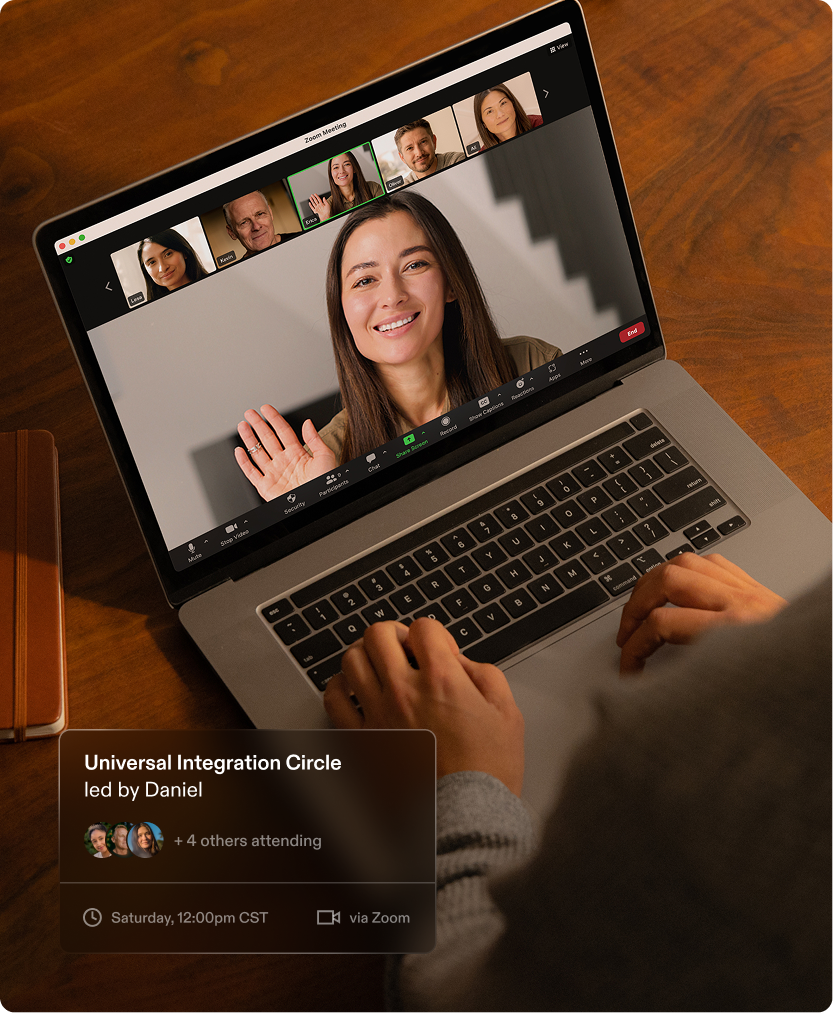
Think of your Guide as a personal coach. They teach you how to prepare for sessions and help you make sense of what comes up after with integration. They also facilitate Integration Circles, where clients meet virtually to share and process their experiences in a small group format.

Care Advocates

Before you start, you're welcome to book a free 30-minute call with a Care Advocate. They can walk you through any questions about the program, the medicine, or what to expect, and make sure you feel ready before your first session.

Support Team

Available via live chat or phone, our Support team is there to help you resolve anything quickly.

Peer Treatment Monitor

During your sessions, a trusted friend or loved one will be nearby. They're not in your treatment space, but rather within earshot and ready if you need anything. Most clients never need them for anything beyond their reassuring presence.

What safety protocols are included with Mindbloom?

Safety at Mindbloom starts before your first dose.

Clinician oversight: Every client goes through a medical evaluation before treatment begins with a licensed psychiatric clinician. They review your health history, current medications, cardiovascular health, and psychiatric state to confirm you're a good candidate. Certain conditions might lead to conditional approval where we’ll provide you with specific action steps required to proceed. This usually involves consulting your primary care physician, getting lab work done, or making medication adjustments. Once those requirements are met and verified, you can move to full approval.

Your treatment plan: Your clinician leads your entire program with your safety top of mind and oversees your dosing throughout. They’ll write your prescriptions and get you to your idea dosage. Your prescription is always available in the app, as well as instructional videos on how to administer your medicine. Before your first session, you’ll also walk through all of this with your guide so you feel ready and confident.

Session protocols: During sessions, you’ll need a peer treatment monitor present. They don’t sit in your treatment space, but simply nearby and available if you need anything. Your Care Team is available via live chat or phone, not just during sessions.

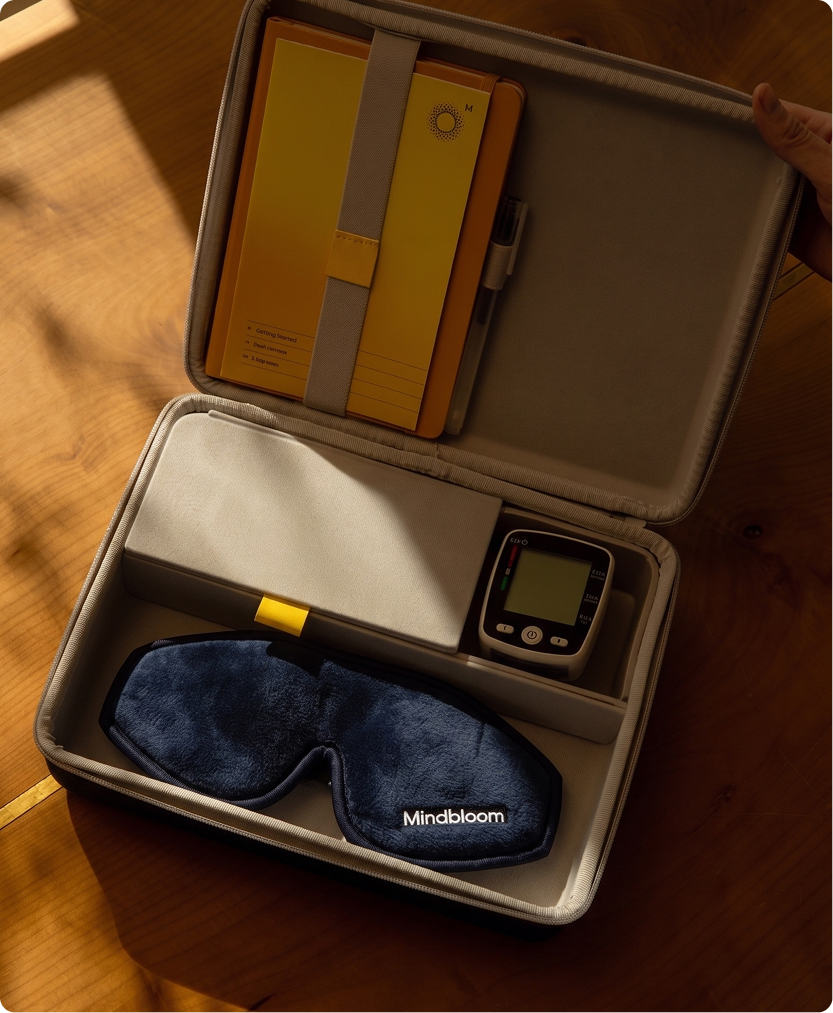
Because ketamine can elevate blood pressure slightly, you’ll use the digital cuff in your Bloombox to take readings before and after session.

Safety top of mind: The numbers reflect it. Serious adverse events occurred in fewer than 0.1% of sessions across more than 800,000 Mindbloom treatments.

What is neuroplasticity?

Neuroplasticity is the brain's ability to change. Not just chemically, but structurally. To grow new connections between neurons, prune old ones, and reorganize how different regions communicate with each other.

Traditional meds get traditional results

For those with depression, anxiety, and PTSD, entrenched neural pathways built up over years: rumination loops, threat-response circuits, ways of interpreting the world that feel automatic because, neurologically, they are. That's how the brain works: neurons that fire together, wire together.

Most antidepressants (SSRIs, SNRIs) work by adjusting neurotransmitter levels. They increase serotonin availability in the synapse. This can reduce symptoms while you're taking them (if they work at all). But they don't address the underlying neural patterns. The circuitry that built your condition is still there. Which is why so many people describe SSRIs as taking the edge off or management of symptoms vs actually fixing the problem at the root

What ketamine does differently

Ketamine is an NMDA receptor antagonist. It temporarily blocks a specific type of glutamate receptor in the brain, triggering a rapid release of BDNF (brain-derived neurotrophic factor) sometimes called Miracle-Gro for the brain. BDNF promotes the growth of new synaptic connections and is the molecule most directly responsible for neuroplasticity.

In the hours and days after a session, BDNF is elevated and the brain is measurably more open to change. Entrenched pathways become less dominant. New ones form more readily. Research also shows that depression causes actual structural shrinkage in the prefrontal cortex and hippocampus, the regions governing emotional regulation and memory. Ketamine has been shown to reverse this, stimulating regrowth in areas chronic depression has eroded.

What makes change stick?

How you use the window of opportunity when neuroplasticity is at its peak is crucial…and why Mindbloom’s program was designed the way it is.

When you practice new thought patterns and emotional responses during this period, they get encoded as new neural pathways. Reinforce them enough, and they become dominant. The old pathways don't disappear overnight, but they weaken through disuse and with continued integration.

That's the difference between managing symptoms and changing the brain that's creating them.

Why does integration matter?

The medicine alone doesn't produce lasting change. What happens around it does. At Mindbloom, integration is not an afterthought. It's built into every step of your program.

What’s happens in your brain

Ketamine triggers the release of BDNF (brain-derived neurotrophic factor), a protein that promotes the growth of new neural connections. In the 24 to 72 hours after a session, your brain's synaptic plasticity is elevated. The neural pathways that have been driving your depression, anxiety, or trauma responses become less dominant and new pathways can form more readily. The brain, in a meaningful and measurable way, is more open to change than it normally is.

This window is real, but it's also temporary. What you do during it matters more than most people realize. Insights that feel profound on days of sessions can fade if nothing anchors them. But with intentional practice, what's new can be integrated. The shift becomes structural, not just experiential, and that's the difference between a powerful session and lasting change.

It’s why Mindbloom programs are built around integration, not just the medicine itself.

Right after your session

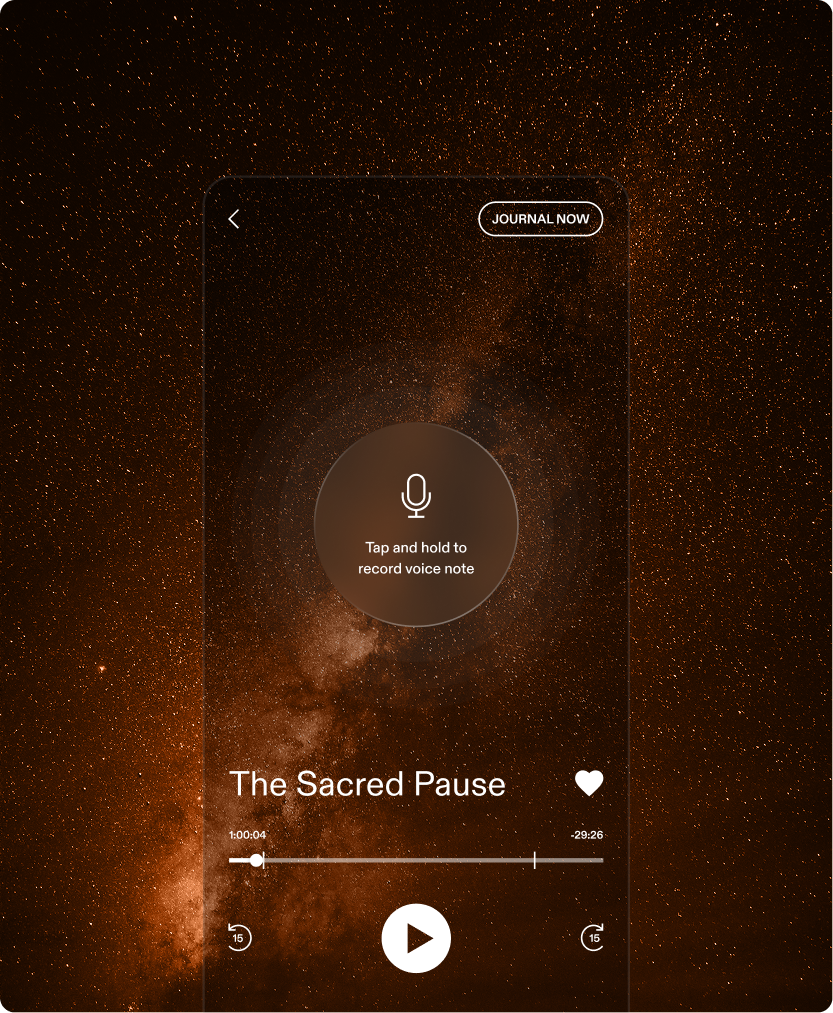
Voice journaling is built into the app for a reason. The moments after a session are when insights are most vivid and most fleeting. Simply follow the guided prompts and speak aloud. We’ll transcribe your reflections, identify key themes from your experience, and generate personalized integration ideas based on what you shared. Everything is saved to your private Journey Journal so you can revisit at any time.

Between sessions

We also offer a few ways to integrate with others.

1:1 Guide integration is offered throughout your program. Think of them as your personal coach who teaches you how to make sense of what’s coming up, and most importantly, what to do with it.

Integration Circles are guide-led virtual peer support groups included with your Mindbloom program at no extra cost. You can share your own experience and hear from others who genuinely understand what you're going through.

The Explore tab in the app gives you access to practices and resources to help process your experiences. Whether physical, cognitive, or something more reflective, we’ll give you lots of ideas how to integrate your session insights.

Frequently asked questions