

Ketamine Therapy Guide: What It Is, How It Works, and What to Expect
Ketamine therapy is a clinician-guided treatment that uses a prescription dissociative medication to promote neuroplasticity and support lasting change for conditions like depression, anxiety, and PTSD. This guide answers the most common questions people have when considering ketamine therapy for the first time, from how it works and what it feels like to how to prepare and what happens after.
Use the resources below to explore specific safety topics in more detail.
Last Updated: APR 8, 2026
Ketamine Therapy Guides






.avif)








Frequently asked questions about safety
What is ketamine therapy?
Ketamine therapy is a treatment approach in which a clinician prescribes ketamine, a legal, FDA-approved medication, to support mental health treatment for conditions like depression, anxiety, and PTSD. It works by promoting neuroplasticity, the brain's ability to form new neural connections, which can help interrupt rigid thought and behavior patterns. Treatment typically involves a series of guided sessions combined with preparation beforehand and integration work afterward.
How does ketamine therapy work?
Ketamine works primarily by blocking NMDA receptors in the brain, which triggers a cascade of neurochemical changes that promote neuroplasticity. This temporary increase in the brain's flexibility is what distinguishes ketamine from traditional antidepressants, which typically target serotonin or norepinephrine pathways and take weeks to show effects. The therapeutic benefit comes from combining this neuroplastic window with intention-setting, the session experience itself, and structured integration afterward.
Is ketamine therapy legal?
Yes. Ketamine has been FDA-approved for medical use since 1970 and is legally prescribed off-label by licensed clinicians for mental health conditions including depression, anxiety, and PTSD. Off-label prescribing is a standard and legally recognized medical practice. Mindbloom's programs are prescribed and supervised by licensed clinicians who determine eligibility based on a clinical evaluation.
What does ketamine therapy feel like?
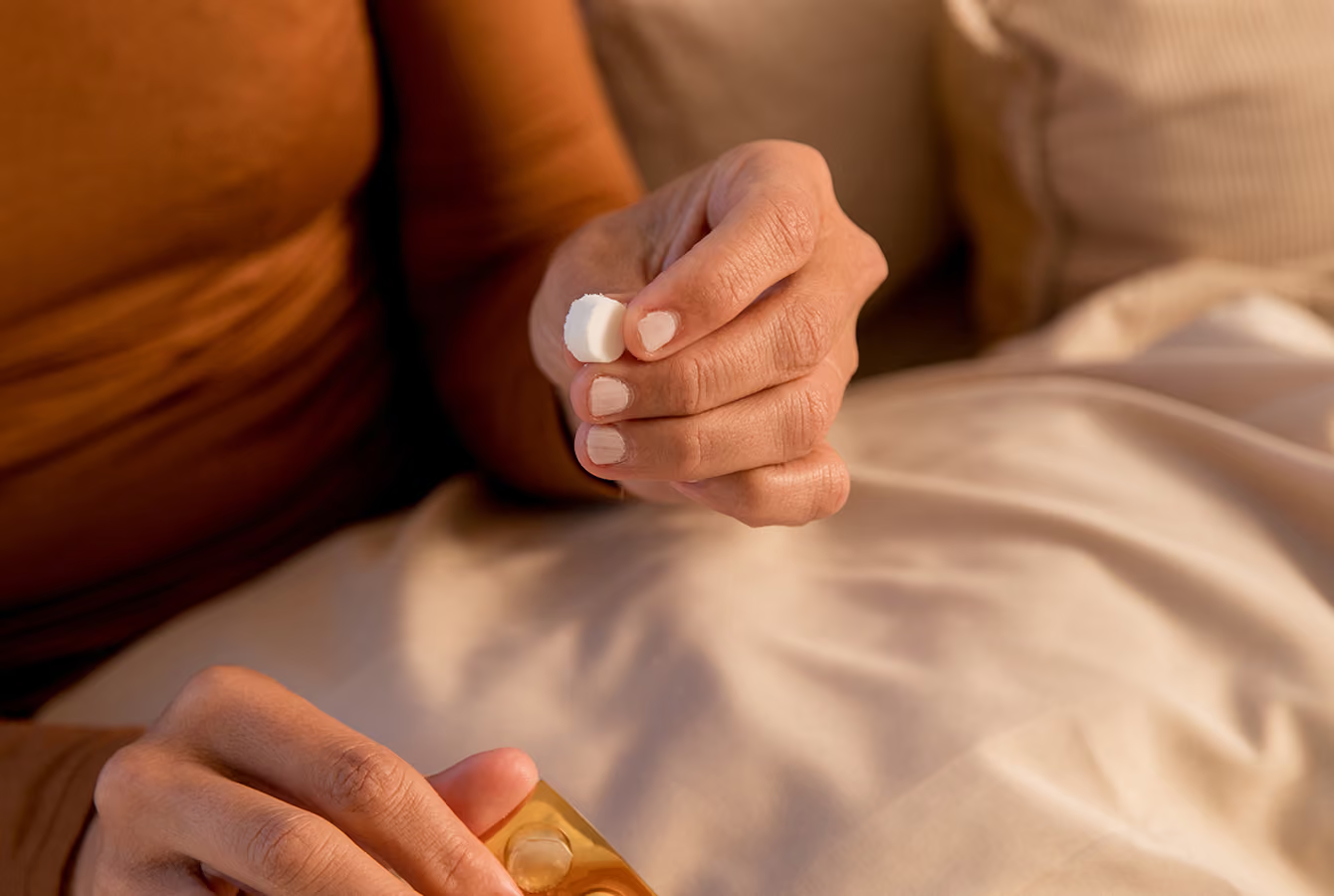
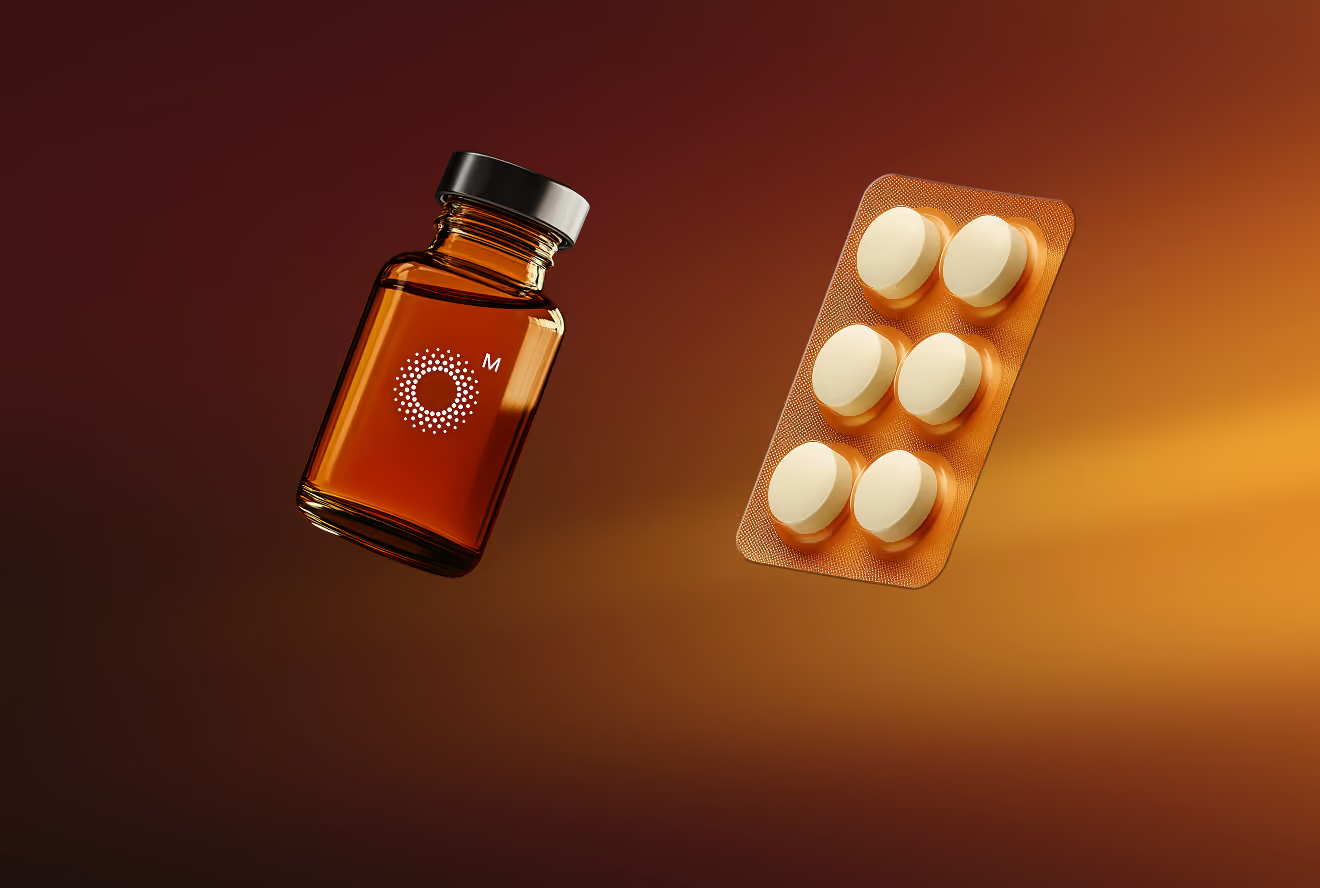
Most people describe the experience as a pleasant, deep, dreamlike state that lasts roughly 45 to 60 minutes. Common sensations include a feeling of floating, shifts in how time is perceived, and a sense of emotional distance from habitual thought patterns. The experience varies from session to session and person to person. Mindbloom sessions are self-administered at home with a prescribed sublingual tablet while a required peer treatment monitor is present.
Is ketamine a horse tranquilizer?
Ketamine was developed in the 1960s as a human anesthetic and received FDA approval for human use in 1970, years before it was adopted in veterinary medicine. It remains on the World Health Organization's List of Essential Medicines and is used in hospitals, emergency rooms, and surgical settings worldwide. Referring to it as a "horse tranquilizer" misrepresents both its origin and its established role in human medicine.
What are preparation and integration, and why do they matter?
Preparation is the process of setting intentions and creating the right conditions before a ketamine session. Integration is the process of reflecting on and applying insights from a session to daily life through journaling, therapy, or guided exercises. Both are considered essential to getting lasting benefit from ketamine therapy, because the neuroplastic window ketamine opens is most valuable when paired with intentional work before and after each session.
Is ketamine therapy worth it?
Many people who have not responded to traditional treatments like SSRIs or talk therapy find ketamine therapy to be a meaningful turning point. Ketamine's mechanism of action is fundamentally different from conventional antidepressants, and many people report noticeable shifts within days rather than weeks. Whether it is the right fit depends on your diagnosis, treatment history, and goals, all of which are assessed during a clinical evaluation.
Safety and disclaimers
This article is for informational purposes only and is not intended to be a substitute for professional medical advice. Always talk to your doctor about the risks and benefits of any treatment. If you are in a life-threatening situation, call the National Suicide Prevention Line at+1 (800) 273-8255, call 911, or go to the nearest emergency room.
At last.
Treatment that actually works.
Explore related topics

There are more options for ketamine therapy today than ever before — from at-home programs like Mindbloom to in-clinic IV infusions, nasal spray treatments like Spravato, and other telehealth providers. This hub helps you understand the differences so you can choose the approach that fits your needs, preferences, and budget. Explore the comparison pages below to see how different treatment options stack up side by side.

There are more options for ketamine therapy today than ever before — from at-home programs like Mindbloom to in-clinic IV infusions, nasal spray treatments like Spravato, and other telehealth providers. This hub helps you understand the differences so you can choose the approach that fits your needs, preferences, and budget. Explore the comparison pages below to see how different treatment options stack up side by side.

Mindbloom's at-home ketamine therapy is currently available in 36 states across the United States, serving 86% of the population. This page provides state-specific information about availability, licensing, and what to expect if you're considering treatment where you live. Select your state below to learn more about ketamine therapy access in your area.